


When shopping for an engagement ring or creating a custom piece of jewelry, you may hear terms such as shank, gallery, head, shoulders, bridge, and prongs. Knowing this terminology can make it easier to communicate with your jeweler and make informed choices about design, comfort, craftsmanship, and wearability.
A ring is composed of several carefully considered elements, each contributing to its beauty, structure, and the way a gemstone is secured and presented.
The Main Parts of a Ring
1. Center Stone
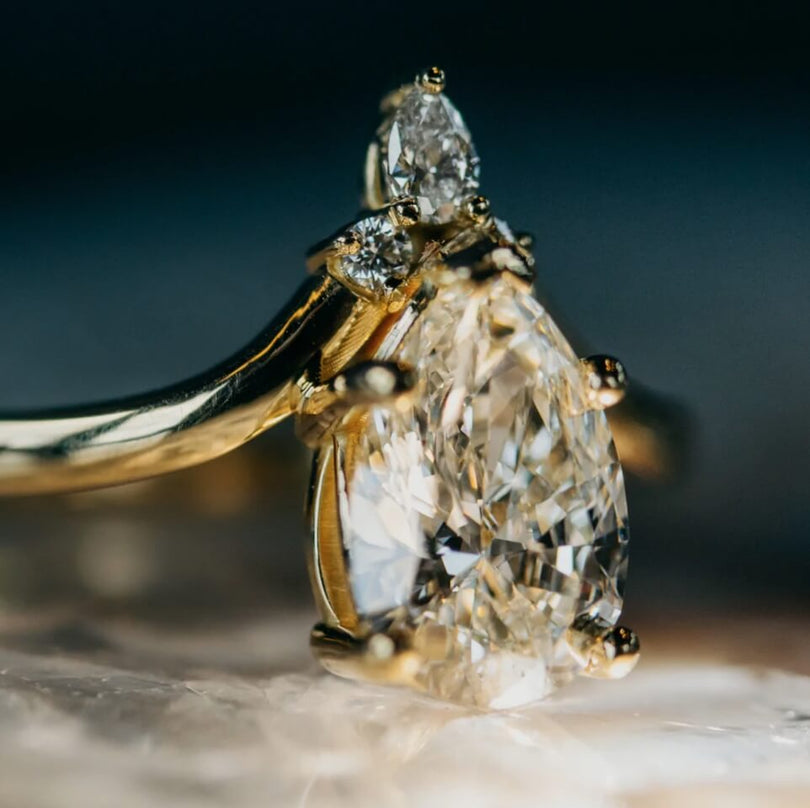
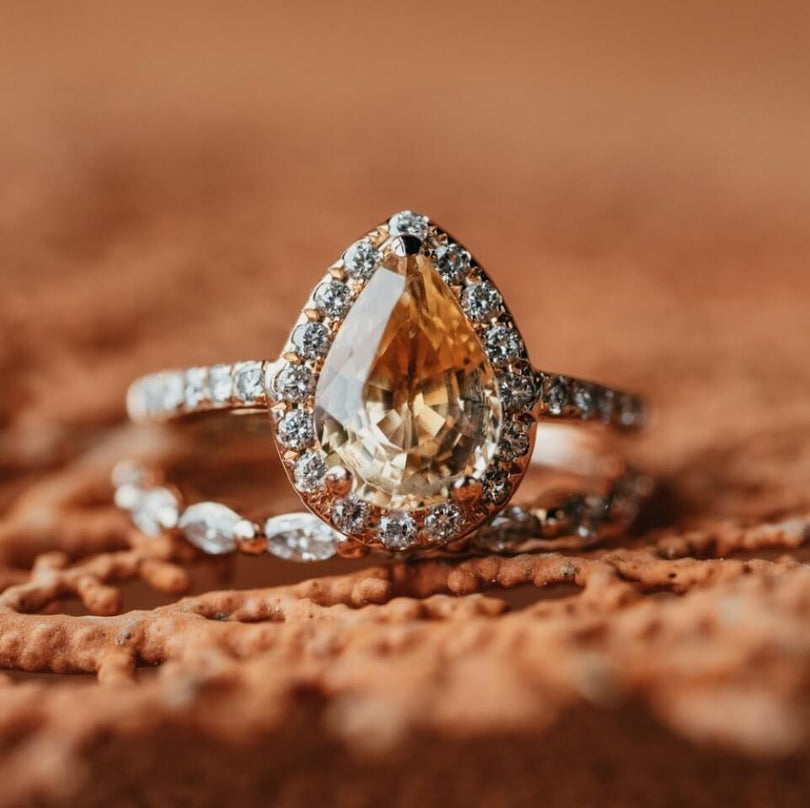
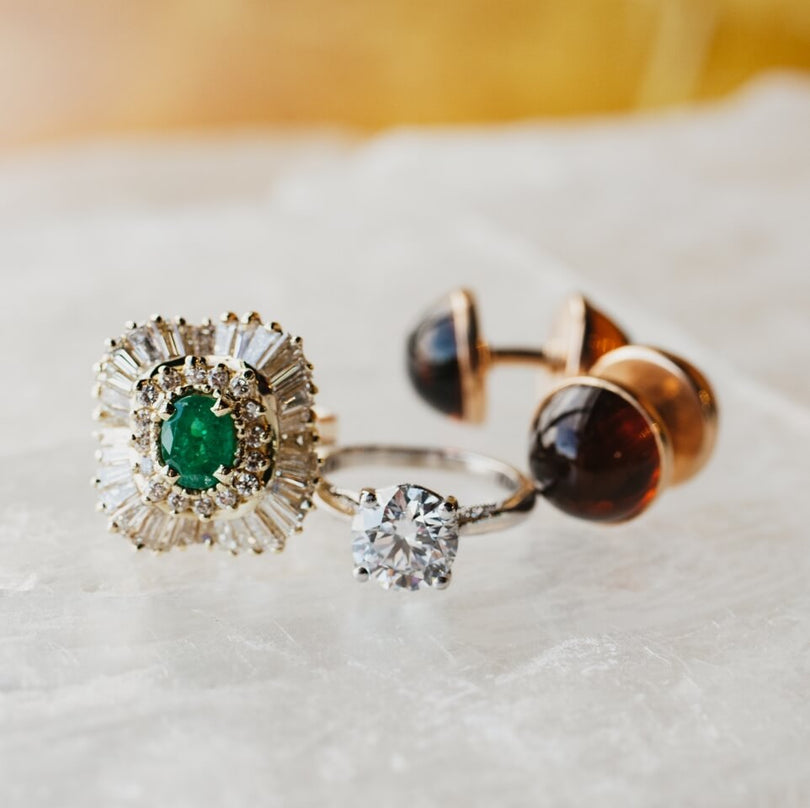
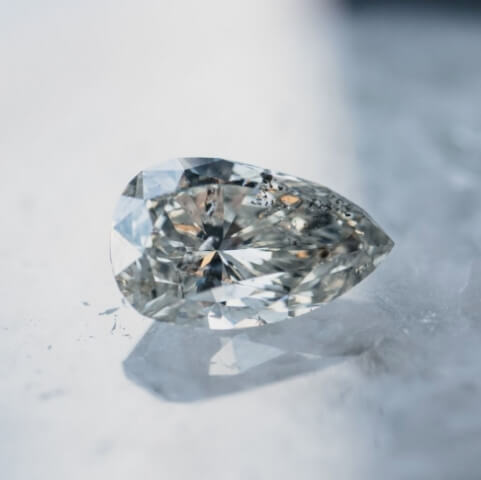
The center stone is the focal point of most engagement rings. It is usually the largest and most prominent diamond or gemstone in the design. Its shape, size, and setting all influence the overall appearance of the ring.
2. Side and Accent Stones
Side stones are gemstones positioned beside the center stone, while accent stones are smaller diamonds or gemstones incorporated throughout other areas of the design, including the shoulders, shank, gallery, or bridge.
These details can provide additional sparkle without taking attention away from the center stone.
3. Prongs
Prongs are small metal tips that extend over the edge of a gemstone to secure it in place. Four- and six-prong designs are common, although the number, shape, and placement can vary according to the gemstone and design.
Beyond security, prong design can influence the visibility of the gemstone and the overall character of the setting.

4. Head
The head is the upper structure of the ring that holds the center stone. It can incorporate prongs, a basket, or other setting elements depending on the design.
The head influences how the center stone is positioned within the ring, its height above the finger, and the way the setting appears from the side.
5. Gallery
The gallery is the area underneath the center stone viewed from the side above the hole where the finger is placed. Depending on the design, it may be open and understated or embellished with intricate metalwork, engraving, or accent stones.
Besides adding visual interest from the side, the gallery can influence how light interacts with the center stone and head and can also provide access to the underside of the gemstone for cleaning and maintenance.
6. Bridge
The bridge is a structural section underneath the head that connects the upper portion of the ring to the shank. It sits above the finger and helps support the setting.
Its design can also affect the space available for a wedding band to sit alongside the engagement ring.
7. Shoulders
The shoulders are the upper sections of the ring that rise from the shank toward the center setting. They create the transition between the band and the head.
Shoulders may be tapered, curved, split, raised in a cathedral style, or embellished with accent diamonds or other details, depending on the ring's style.

8. Shank
The shank is the portion of the ring that encircles the finger. It is often referred to simply as the band, although shank is the more precise jewelry term to refer to the ‘body’ of the ring.
Shanks can be plain, tapered, pavé-set, split, twisted, or designed with a variety of profiles. Their width, thickness, and shape influence the ring’s comfort, proportions, durability, and overall presence.
9. Sizing Area
The sizing area is generally located at the bottom of the shank. This is where a jeweler may add or remove metal when adjusting the ring size.
The ability to resize a ring depends on its design and structure, gemstone placement, metal, and the amount of adjustment required. Some heavily detailed or stone-studded shank designs may have more limited sizing options.

10. Hallmark and Engraving
A hallmark or other identifying mark may appear inside the shank. Depending on the piece and where it was made, these marks can provide information about precious-metal fineness, the maker, or other identifying details. They are typically a stamp, but may also be hand-engraved.
Engraving is a separate decorative or personalized element that can include initials, dates, meaningful messages, or ornamental details. Engraving can be on the surface of the shank, or on the inside.

Why Ring Anatomy Matters
Understanding these elements allows you to appreciate the artistry beyond the center stone and articulate your desires to your jeweler. The setting provides both security and structure, while the shank dictates the ring’s comfort and presence on the hand. Thoughtful details, from the gallery to the shoulders, complete the design and give each ring its distinctive character.
Whether you’re choosing an engagement ring, reimagining an existing piece, or creating a custom design, knowing the basic anatomy makes conversations with your jeweler more meaningful and helps you communicate the details that matter to you.
Final Thoughts
A beautiful ring is the result of thoughtful design, skilled craftsmanship, and carefully considered details. Once you understand what each component does, you can make more informed decisions about style, durability, comfort, stone security, and personalization.
The next time you admire a ring, take a closer look beyond the center stone. The head, prongs, gallery, bridge, shoulders, and shank each contribute to the finished piece, working together to create a design that is beautiful to wear. Reach out to our Seattle or West Concord team to begin creating a piece that feels meaningful to you.

 4.9 | 575+ Verified Reviews • Authentic Craftsmanship • Unmatched Service