
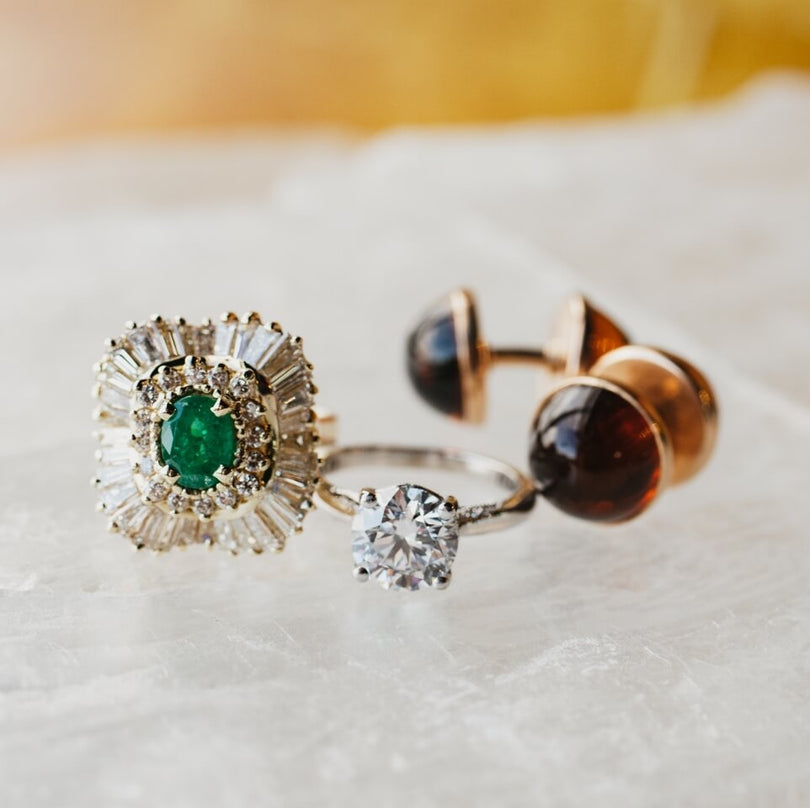
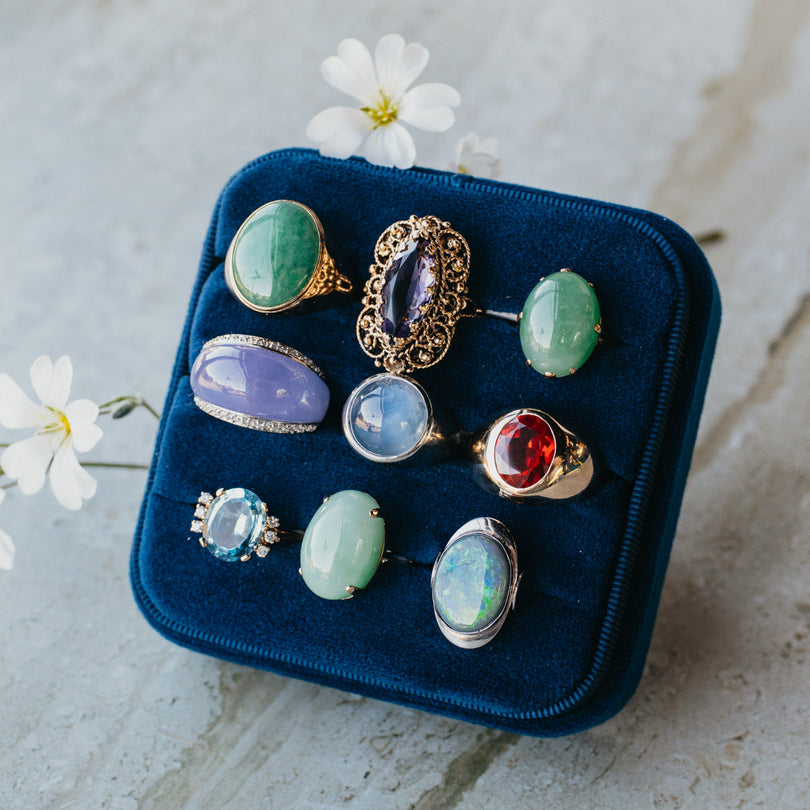
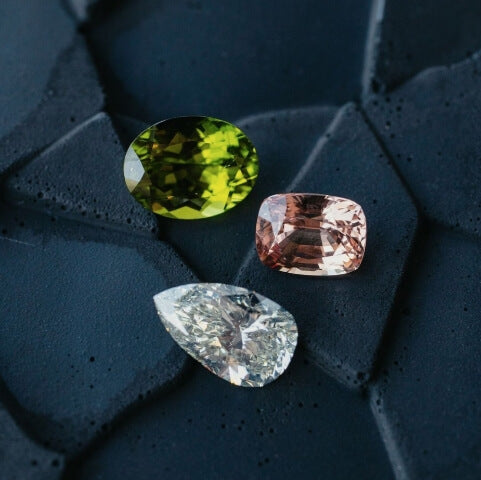
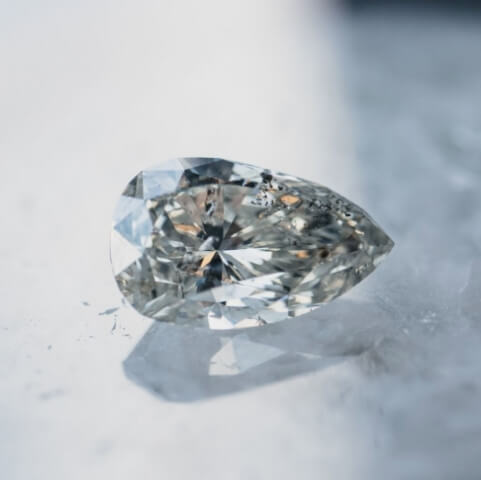

A diamond may be the traditional choice for an engagement ring, but colored gemstones offer another way to create a ring that reflects your style. From the deep blue of sapphire to the green of emerald and the varied colors of spinel, each gemstone brings something unique to a design.
Choosing the right gemstone involves more than color alone. Durability, cut, setting, and care all play a role in finding a ring you will enjoy wearing for years to come.
Popular Gemstones for Engagement Rings
Sapphire: A Classic in Many Colors
Blue sapphire is a popular engagement ring choice, known for its depth of color and durability. Sapphires are not just blue. They actually come in every color but red! When they are red, they are considered rubies.
A deep blue sapphire paired with yellow gold creates a traditional combination, while a less traditional color can bring a different feel to the ring. With a hardness of 9 on the Mohs scale, sapphire is also well suited for everyday wear.
Spinel: An Alternative Worth Discovering
Spinel offers a lovely range of colors from pink to blue, with lots of lavenders and purples in between. Its color variety makes it an appealing choice for someone looking beyond the more familiar engagement ring gemstones.
Color is one of spinel's biggest attractions, but it also has practical advantages. Ranking 8 on the Mohs hardness scale, it is a durable option for regular wear. Whether you prefer a warm pink stone or a deeper, more dramatic shade, spinel can become the focal point of a design without relying on a traditional diamond.
Emerald: A Green Gemstone With Special Considerations
Emerald is admired for its green color and long history in fine jewelry. Its natural inclusions give each gemstone its own unique qualities, but they also mean emeralds need more care than some gems.
Although emerald ranks 7.5 to 8 on the Mohs hardness scale, inclusions and fractures can make it more vulnerable to chipping or cracking. Many emeralds are treated with oils or resins to improve clarity, and these treatments can be affected by heat and certain cleaning methods that could cause breakage.
If you choose an emerald for an engagement ring, consider a protective setting that shields exposed edges. Emeralds should be cleaned gently with warm, soapy water, avoiding steam and ultrasonic cleaners. With thoughtful design and proper care, an emerald can be an excellent choice for someone who appreciates its color and understands its needs.
Other Colored Gemstones to Explore
There are plenty of other gemstones to discover. Tourmaline offers colors ranging from pink and green to blue, while aquamarine is known for its light blue tones. Morganite brings soft peach and pink hues, and garnet comes in shades beyond its familiar deep red. Tanzanite offers blue-violet color, while amethyst and citrine provide purple and golden tones.
For something less conventional, opal displays shifting flashes of color, moonstone has a soft glow also found in light passing through clouds, and turquoise brings a distinctive brilliant sky blue. Each has different care requirements, so consider durability before choosing a gemstone for everyday wear.
Finding the Right Gemstone for Your Lifestyle
Think about how you plan to wear your engagement ring. Will it be everyday? Will you take it off for work? Do you work with your hands or wear gloves? Sapphire and spinel are durable options for regular wear, while emeralds and softer gemstones may need more careful handling and protective settings.
Your personal style matters! Consider the colors you enjoy wearing, the jewelry you already own, and whether you prefer a subtle design or a center stone that stands out. These details can help you narrow down your options.
Matching the Gemstone to the Design
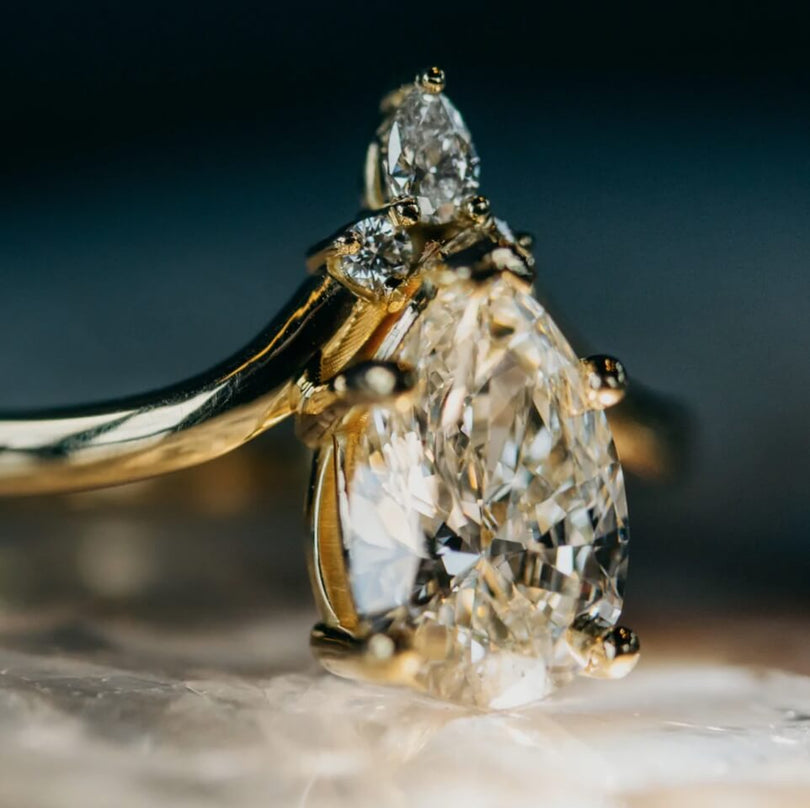
Shape and SizeA gemstone's cut influences the overall look of the ring. Oval and round cuts offer familiar silhouettes, while cushion and pear shapes bring different proportions. Emerald cuts feature step-cut facets that create a more structured look.
Size is another consideration. A larger center stone can create a strong focal point, while a smaller gemstone can work beautifully in a delicate design. The goal is to find proportions that complement both the stone and the setting.
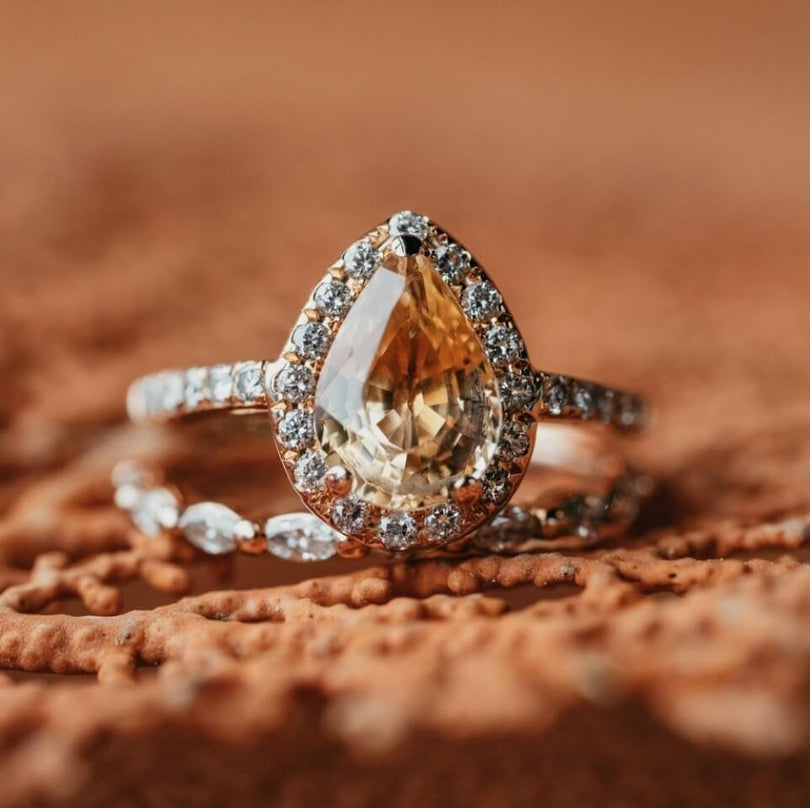
Setting StyleThe setting should complement the gemstone while helping protect it. A solitaire keeps attention on the center stone, while a halo adds smaller surrounding gemstones. A three-stone design offers another way to combine colors and create visual interest.
Some gemstones need extra protection, particularly emeralds with vulnerable edges or fractures. Your jeweler can help you choose a setting suited to the stone and how you intend to wear it.
Metal Choice
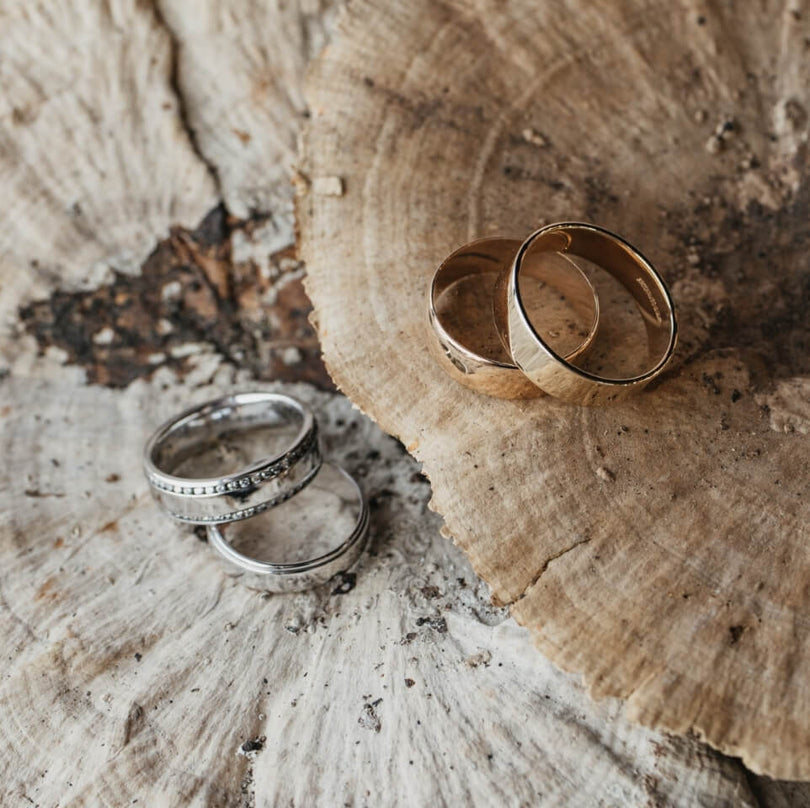
The metal reflected back into and surrounding a stone can influence how a gemstone's color comes across. Yellow gold adds warmth, while white gold and platinum create a cooler contrast. Rose gold can complement pink and purple gemstones.
Compare different metals with your preferred gemstone to find a combination that works with the overall design.
Choosing a Gemstone That Feels Like Yours
The right engagement ring gemstone balances the color you love with the durability and care that suit your lifestyle. By considering these details alongside the cut, setting, and metal, you can create a ring that feels personal and is made to be enjoyed for years to come.
At Baraka Gems, we can help you explore gemstones and design options for a custom engagement ring. Schedule an appointment to discuss your ideas and begin creating a ring that reflects your style and story.
 4.9 | 575+ Verified Reviews • Authentic Craftsmanship • Unmatched Service