

September's Birthstone: Sapphire
Sapphire is the traditional birthstone for September and one of the most beloved gemstones in fine jewelry. While deep, royal blue is the color most people associate with sapphire, this gemstone comes in a beautiful range of hues.
Sapphire is a variety of corundum, the same mineral family as ruby. Red corundum, the rarest form, is classified as ruby, while all other colors are classified as sapphire. Sapphires have been treasured for centuries and have long been associated with qualities such as sincerity, faithfulness, and nobility.
The Many Colors of Sapphire
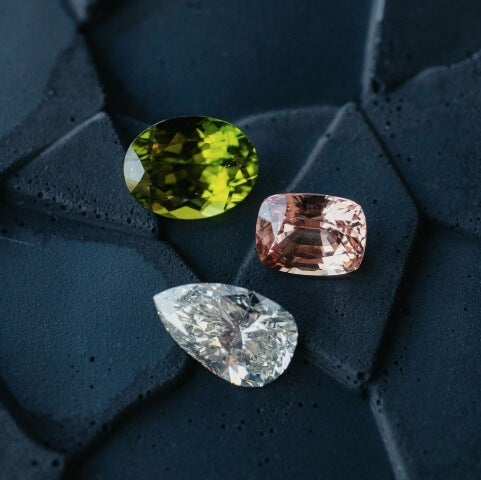
One of the most beautiful things about sapphires is their range of color. Sapphires in colors other than blue are commonly called fancy sapphires.
Blue Sapphire: The classic sapphire color, ranging from soft blue to rich, vivid shades. The most well-known Ceylon Sapphires are named after one of the most famous sources, now known as Sri Lanka.
Pink Sapphire: From delicate blush tones to deeper pinks, pink sapphires offer a romantic alternative to traditional blue.
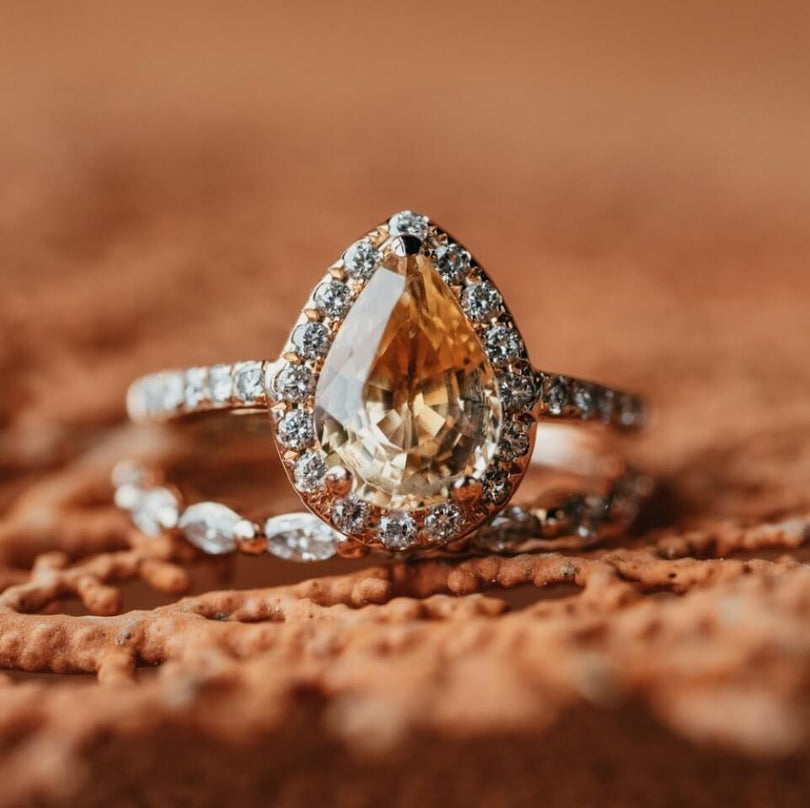
Yellow Sapphire: Warm yellow hues give this gemstone a bright, cheerful character.
Green Sapphire: Green sapphires can range from subtle, grassy greens to deeper forest-green shades.
Orange Sapphire: Warm orange hues create a distinctive and vibrant look.
Purple & Violet Sapphire: These less traditional colors offer a similarly luxurious alternative to classic blue.
Teal Sapphire: A beautiful blend of blue and green, teal sapphires are especially sought after for their distinctive color.
Padparadscha Sapphire: One of the rarest sapphire varieties, padparadscha is known for its delicate pinkish-orange color. Originally discovered in Sri Lanka, the name comes from the Sanskrit ‘padma ranga’, a color associated with the lotus flower.
Montana Sapphire
Gem-quality sapphires are also found in the United States, most abundantly in Montana. Montana sapphires occur in a range of colors, with different deposits producing stones with their own distinctive characteristics. They are most often associated with shades of teal.

Baraka Gems carries natural Montana sapphires cut by small, independent lapidaries in hues including yellow-green, purple, and lush shades of teal.
Sapphire's Hardness and Durability
Sapphire ranks 9/10 on the Mohs scale of hardness, making it one of the harder gemstones used in fine jewelry. It also has excellent toughness and no cleavage, which means it does not have a natural plane along which it tends to split when struck.
This combination of attributes make sapphires an especially good choice for rings, bracelets, and other jewelry pieces that are worn regularly and may take more damage.
Hardness does not mean a sapphire is impossible to damage. A strong impact on a point or edge can still chip or damage a gemstone, so everyday durability does not mean the stone is indestructible. Even diamonds are possible to break.
Sapphire for Everyday Wear
Sapphire is well suited to everyday jewelry. Its hardness helps it resist scratching, while its excellent toughness creates durability. This makes sapphire a practical choice for daily jewelry without the anxiety of accidental damage. Its durability is only part of its appeal. Sapphire also brings color and character to a design, whether paired with warm yellow gold, rose gold, or platinum.Caring for Your Sapphire Jewelry
For most sapphires, warm, soapy water is a safe and simple way to clean the gemstone. A soft brush can help remove dirt around the setting. Gems love to hold onto grease, so a gentle grease-cutting dish soap works best. Cleaning methods can vary depending on if the gem has had a treatment. Fracture-filled, cavity-filled, or dyed sapphires require more care and should only be cleaned with a damp cloth. If you are unsure how your sapphire has been treated, ask your jeweler before using an ultrasonic or steam cleaner.Frequently Asked Questions About September’s Birthstone
Is Sapphire a Good Choice for an Engagement Ring?Yes! Sapphire's combination of durability, distinctive color, and timeless appeal makes it a popular alternative to a traditional diamond engagement ring. Its hardness of 9 on the Mohs scale also makes it well suited for regular wear.
Can You Wear a Sapphire Ring Every Day?Yes. Sapphire's hardness of 9 and excellent toughness make it a good choice for rings and other jewelry worn regularly. Like any gemstone, it should still be protected from significant impacts.
Is Sapphire Harder Than Emerald?Yes. Sapphire ranks 9 on the Mohs scale, while emerald typically ranks between 7.5 and 8. That may seem high, but natural emeralds contain many inclusions that create weaknesses in the gem. Sapphire is therefore more resistant to scratching, although gemstone durability depends on more than hardness alone. If you like green but are nervous about emeralds, a green sapphire might be just right!
Discover Sapphires at Baraka Gems
From Ceylon blue to distinctive Montana and other fancy-colored sapphires, this September birthstone offers a remarkable combination of color, character, and durability.
Whether you're searching for a September birthstone or a unique gemstone for a custom design, contact us to find your perfect sapphire.
 4.9 | 575+ Verified Reviews • Authentic Craftsmanship • Unmatched Service